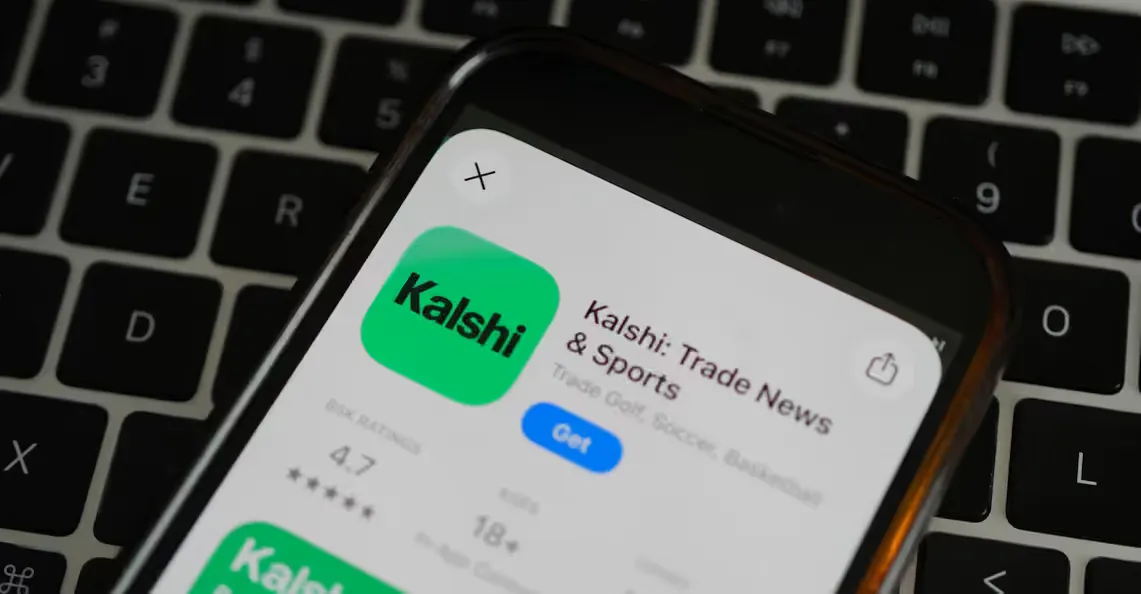
Kalshi has officially suspended its services in Utah following a series of devastating legal setbacks that suggest the company faces an uphill battle against state gambling regulations. Users attempting to access the platform now encounter messages stating that certain markets are unavailable, marking a sudden halt for more than 177,000 residents who used the app to bet on everything from political races to weather patterns. Company spokesperson Jacki McGavick described the move as a difficult decision made in light of recent judicial rulings, though she maintained that the firm intends to return once its legal standing is cleared.
The retreat comes after Judge Robert J. Shelby signaled during a recent hearing that the federal government faces a steep hill in trying to prove that national regulators should override state authority. This follows an earlier ruling where Shelby affirmed that Utah possesses the power to enforce its anti-gambling laws against Kalshis event contracts. While the Commodity Futures Trading Commission has attempted to shield prediction markets by claiming exclusive jurisdictional authority, the judiciary seems increasingly inclined to protect state sovereignty over wagering activities.
Adding to the pressure is a mounting wave of criminal and civil liabilities facing the companys leadership. Co-founders Tarek Mansour and Luana Lopes Lara are currently grappling with 14 criminal charges, including 13 felonies, brought by Utah Attorney General Derek Brown. These personal stakes mirror a broader nationwide struggle for Kalshi, which has seen similar losses in Maryland and several other circuit courts, signaling that the conflict will likely only be resolved when it reaches the U.S. Supreme Court.
For current Utah users, the transition is partial rather than absolute. While they are barred from opening any new contracts or placing fresh bets, they are still permitted to close out their existing positions and withdraw their remaining funds from the platform. As Kalshi waits for further guidance from federal courts and continues its multi-state litigation strategy, those holding assets in Utah remain in a precarious limbo between evolving financial technology and traditional gaming statutes.